The Perfect 7-Day Iceland Summer Itinerary (Tested and Tweaked)
We planned our Iceland summer trip four times before we got it right. This is the Iceland 7 day itinerary summer travellers actually need — puffins, midnight sun, Ring Road highlights, and the honest truth about what didn’t work.
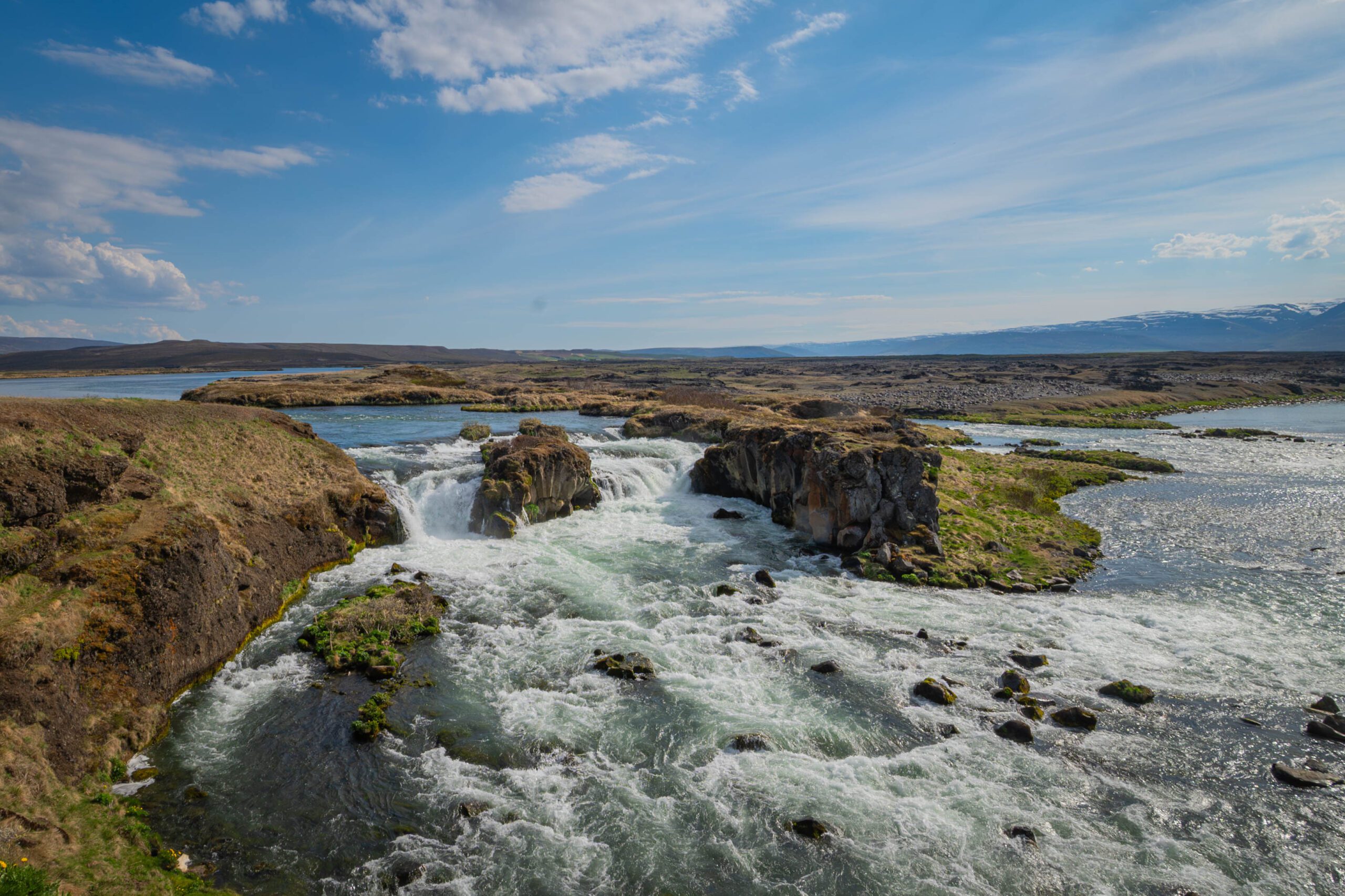
We’ve been lucky enough to visit Iceland in both autumn and summer, and we’ll tell you upfront: summer is a completely different country. The Iceland 7 day itinerary summer demands is not the same trip you take in February. The midnight sun changes everything — your energy levels, the photography, the crowds, and which parts of the Ring Road are actually worth your time in June or July.
This guide is built from our own route, revised three times, with notes from other travellers we’ve spoken to along the way. We’re a couple based in Rovaniemi, Finland — so the concept of the midnight sun isn’t new to us. But Iceland’s summer light is something else entirely, and we want to help you make the most of every golden hour you have.
A 7-day Iceland summer itinerary works best as a clockwise Ring Road loop: Reykjavík (days 1–2), the Golden Circle and South Coast (days 3–4), the East Fjords (day 5), the North including Akureyri and Godafoss (day 6), and the Snæfellsnes Peninsula (day 7). Book accommodation months in advance — summer Iceland fills fast — and embrace the midnight sun by driving late when roads are empty.
Why summer changes Iceland completely
When we first planned an Iceland summer trip from our home in Finnish Lapland, we assumed we knew what the midnight sun would feel like. We were wrong. Rovaniemi’s summer light is soft and golden; Iceland’s summer light is relentless. At 2 am in Vik in June, it genuinely looks like early evening. This is either magical or exhausting depending on your personality — and it completely reshapes how you should structure your days.
The midnight sun advantage for road trippers
The practical upside is real: you can drive safely until midnight, arrive at waterfalls when the tourist coaches have long gone home, and photograph landscapes in continuous golden hour light. The road to Seljalandsfoss at 11 pm in June has almost no one on it. That same road at noon has a hundred people and flat midday light. If you’re willing to flip your schedule — sleep from 1 am to 8 am, hit the sites between 9 am and noon and again from 8 pm to midnight — you will have a completely different Iceland than the tour-bus crowd.
Summer vs. other seasons: what actually changes
- Puffins: only present May to mid-August. Summer is your window.
- Highland F-roads (Landmannalaugar, Kjolur): only open in summer, typically June to September. These roads are locked in winter — summer unlocks Iceland’s interior entirely.
- Crowds: summer is peak season. Geysir, the Blue Lagoon, and Seljalandsfoss will be busy between 10 am and 5 pm. Go early or go late.
- Weather: warmer (10–15°C), but Iceland’s winds and rain don’t care what month it is. Pack waterproofs regardless.
- No northern lights: the sky doesn’t get dark enough from May to August. If aurora is on your list, come in September or winter instead.
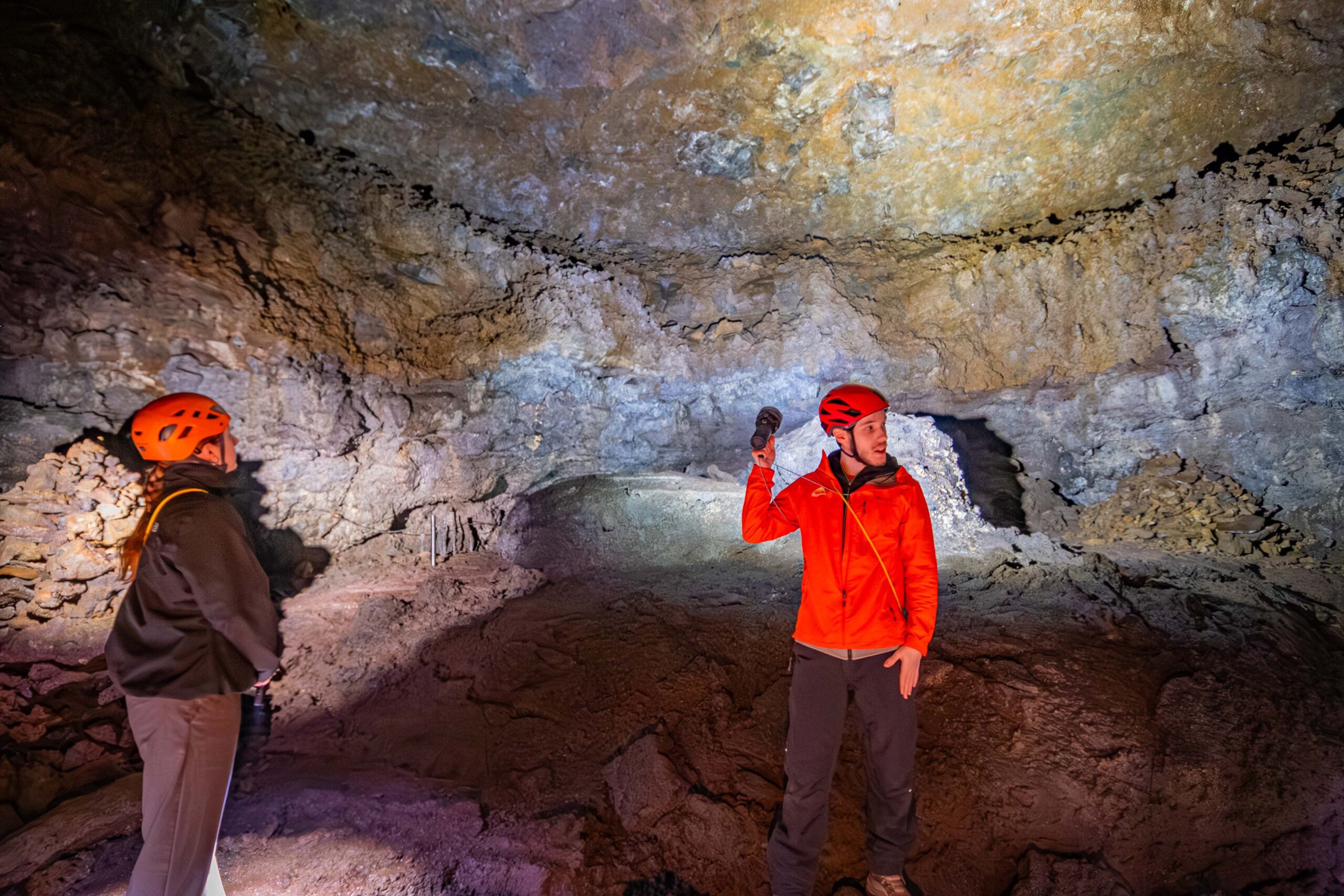
The 7-day Iceland summer itinerary, day by day
This is a clockwise Ring Road route, starting and ending in Reykjavík. We chose clockwise because the South Coast — the busiest stretch — is better tackled before you’re fatigued, and because the East Fjords and North are more rewarding when you’ve had a few days to slow down and settle into the Iceland pace.
Day 1 — Arrive in Reykjavík & recover
Land, pick up your rental car, and resist the urge to immediately drive somewhere dramatic. Reykjavík is worth half a day: walk Laugavegur, visit Hallgrímskirkja, eat at a proper fish restaurant on the harbour. If you land in the morning, you can fit in a short trip to the Blue Lagoon on your way in (book days ahead). Set your watch: tomorrow starts early.
Day 2 — Golden Circle (leave by 8 am)
Drive the Golden Circle before the coaches arrive. &Thorn;ingvellir National Park first (tectonic plates, Silfra snorkelling if booked), then Geysir (Strokkur erupts every 5–10 minutes, even at 9 am it’s crowded), then Gulfoss waterfall. Be back in your car by 2 pm and drive south toward the South Coast. Overnight in or near Selfoss or Hella.
Day 3 — South Coast: waterfalls and black sand
This is the day most people say made the trip. Seljalandsfoss (you can walk behind it — waterproof trousers required), Skogafoss, the village of Vik with its black sand beach and basalt columns at Reynisfjara. If you arrive at Reynisfjara late afternoon, the waves hit golden. Overnight in Vik or push 45 minutes further to Kirkjubæjarklaustur.
Day 4 — Glacier and East Fjords entry
Morning: Jökulsarlón glacier lagoon and Diamond Beach (icebergs on black sand — one of the genuinely unrepeatable sights in Europe). Afternoon: begin the East Fjords drive. The road is slower than it looks on maps; the scenery is worth every minute. Overnight in Djúpivogur or Höfn.
Day 5 — East Fjords to Akureyri
The East Fjords are Iceland’s quietest section and arguably its most beautiful in summer — green fjord walls, small fishing villages, almost no other tourists. Drive the full loop via Seyðisfjörður (the rainbow street is genuinely worth the detour). Then a long drive north through the highland to Akureyri. This is a 4–5 hour driving day, but the midnight sun means you arrive in golden light regardless.
Day 6 — North Iceland: Godafoss, Whale Watching, Mývatn
Goda foss first (waterfall of the gods, much less crowded than southern waterfalls). Then either whale watching from Húsavík (best whale watching in Iceland) or spend the afternoon at Mývatn, the volcanic lake with pseudo-craters, hot springs, and surreal lava formations. If puffins are your priority, Húsavík has a puffin boat tour too. Overnight in Akureyri or Mývatn area.
Day 7 — Snæfellsnes Peninsula then back to Reykjavík
This requires either an early start from Akureyri or splitting Day 6 to stay at Borgarnes instead. Snæfellsnes is the Westfjords’ more accessible cousin: a glacier-topped volcano, dramatic sea cliffs, puffin colonies at Arnarstapi, and the famous Kirkjufell mountain (Game of Thrones fans will recognise it immediately). Drive back to Reykjavík for your flight the next morning.
Related readingPlanning the Nordic part of your summer trip? Read our Finland vs Norway vs Iceland coolcation guide to decide which country suits you best before you book flights.
Quick-reference: what to book in advance for summer Iceland
Iceland’s summer accommodation fills extraordinarily fast. We’ve spoken to travellers who tried to book six weeks out and found nothing under €400/night near Vik. This is the booking checklist we give to everyone asking us about Iceland summer trips.
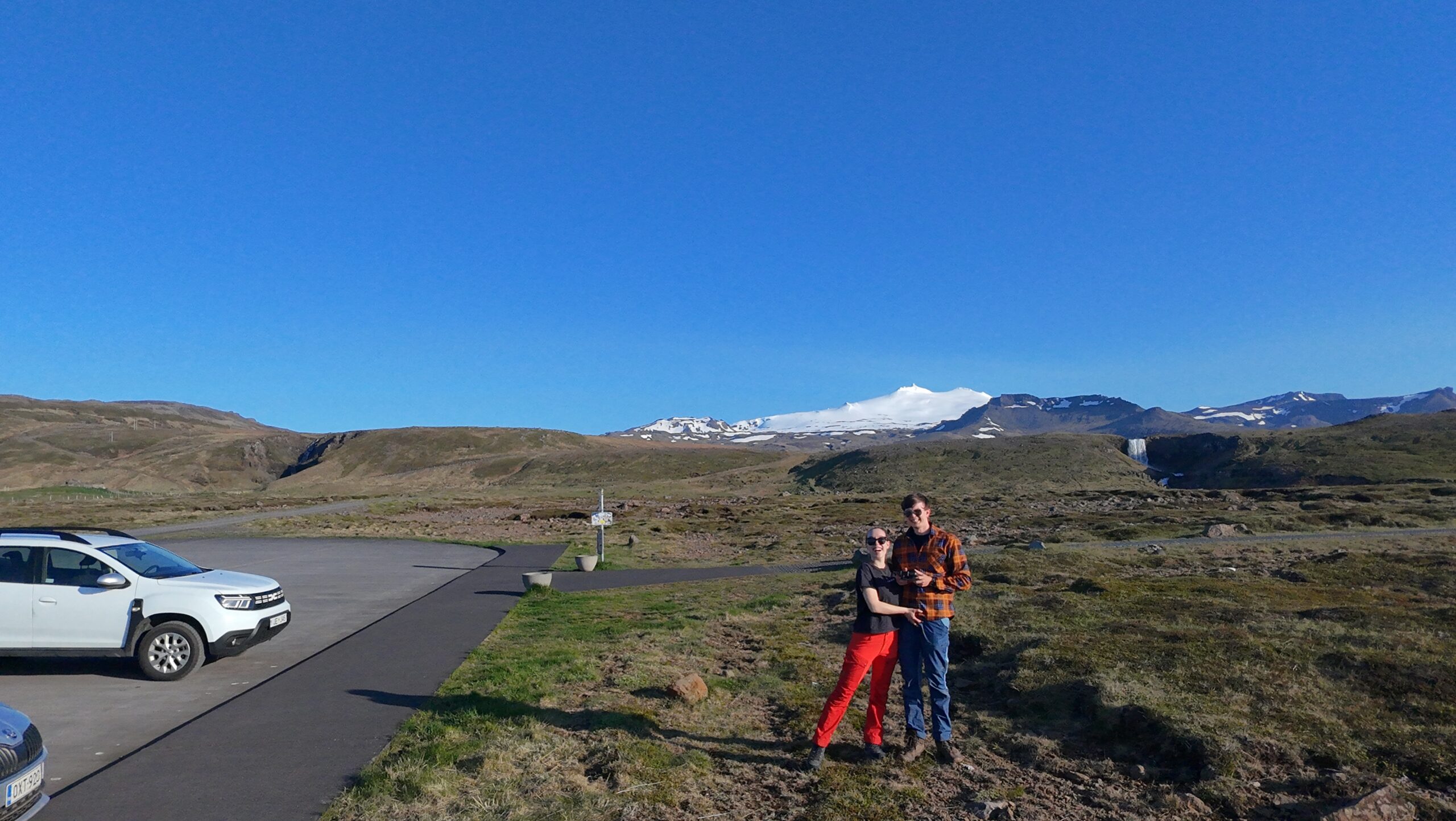
Car rental: book 3–6 months out. In June-July, 4WD vehicles (needed for F-roads) sell out completely. If you’re sticking to the Ring Road, a 2WD is fine — but book it anyway, prices double if you leave it late.
Blue Lagoon: book at least 4–6 weeks out. They operate on timed entry and turn away walk-ins in summer. Morning slots (8–10 am) are nicest and quietest.
Accommodation in Vik: book 3–4 months out. Vik has the fewest beds relative to visitor numbers on the entire Ring Road. Don’t leave this to chance.
Whale watching in Húsavík: book 2–4 weeks out. North Sailing and Gentle Giants both fill up fast in June-July. Morning departures have calmer seas.
Seyðisfjörður overnight (optional): if you want to spend a morning in this beautiful village rather than just passing through, book the guesthouse early. There’s really only one.
Puffin boat in Húsavík or Borgarfjorður Eystri: late July to mid-August is peak puffin season. Both locations offer close encounters, but Borgarfjorður Eystri has a colony you can walk to from the car park.
Get our best travel tips in your inbox
Monthly stories from Rovaniemi — Arctic tips, packing lists, and the places we keep coming back to.