Ghent vs Bruges: Which Belgian City to Actually Visit
We’ve been to both. Bruges is the postcard; Ghent is the city. Here is our honest comparison — what each one is actually like, who each one suits, and which you should choose if you only have time for one.
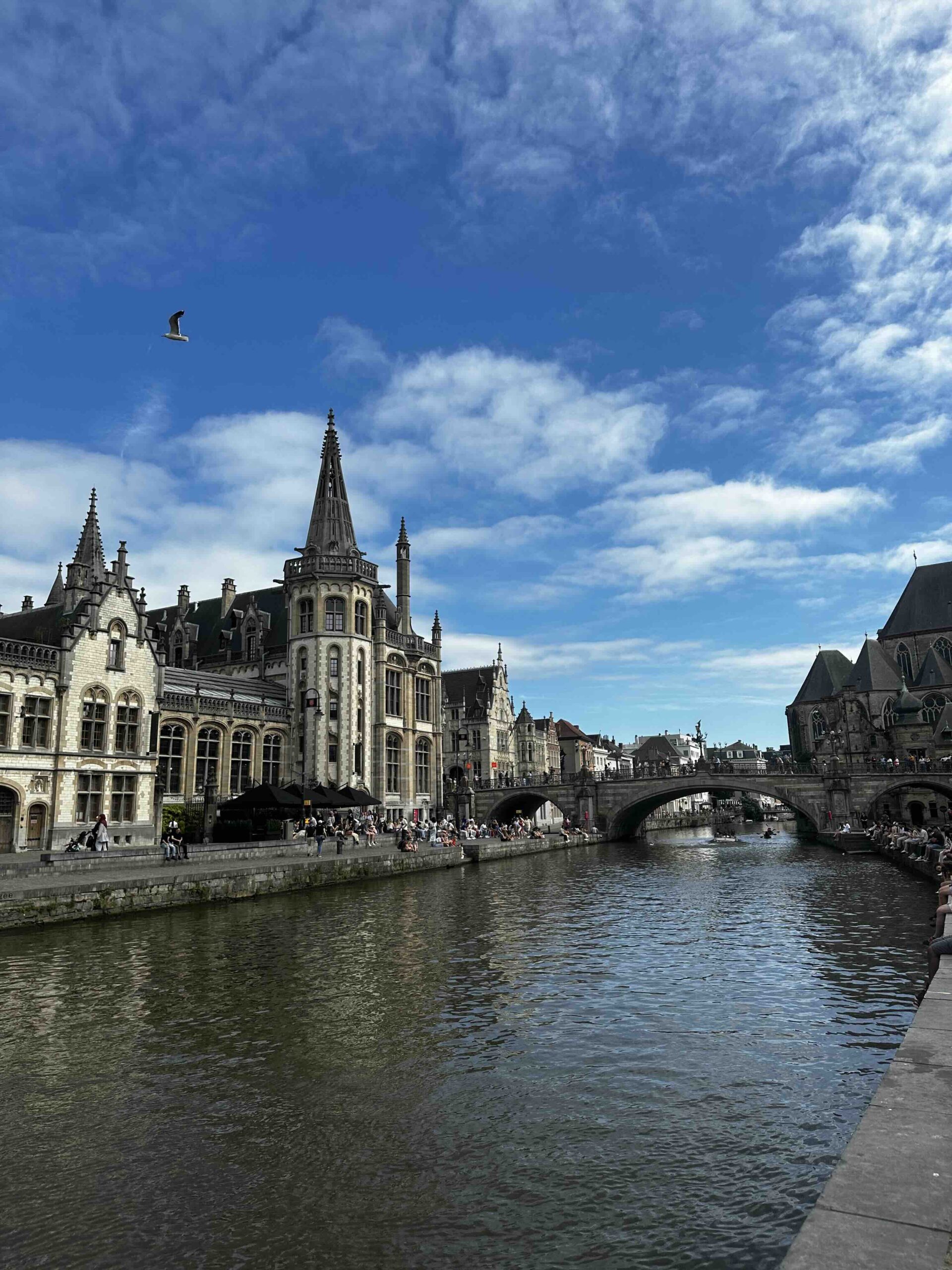
We had the same argument most people have before visiting Belgium: Bruges or Ghent? Everyone told us Bruges was unmissable. Several people told us Bruges was touristy and Ghent was where locals actually went. We ended up doing both on the same trip, spending a full day in Bruges and two days in Ghent, and we left with a clear opinion about each one.
If you are asking which Belgian city to visit, the real answer depends entirely on what you are looking for. Bruges and Ghent are only 25 minutes apart by train, they share a Flemish history and a love of good beer, and they both have beautiful medieval canal architecture. But they feel almost completely different when you are actually inside them. This is our attempt at an honest Ghent vs Bruges comparison from people who have done both.
Bruges is the more stunning medieval city, perfect for a romantic day or overnight stay — but it is heavily touristed and small enough to cover in one day. Ghent is a real city with a university, a food scene, and a personality that goes beyond the tourist trail. If you have two or three days in Belgium, do both. If you only have one day and want the postcard experience, go to Bruges. If you want a city that feels genuinely alive, go to Ghent.
What Bruges and Ghent are actually like
Bruges is often called the Venice of the North, and you can see why the moment you step off the train. The historic centre is essentially a perfectly preserved medieval Flemish city enclosed by a ring canal. The streets are cobbled, the buildings are flamboyant Gothic, and the whole thing looks like it was arranged by a set designer. There are swans in the canals. There are horse-drawn carriages on the market square. At golden hour, it is almost impossibly beautiful.
Ghent is harder to describe in a single image. It has the same medieval bones as Bruges — the Graslei waterfront, Saint Bavo’s Cathedral, the Gravensteen castle rising dramatically over the old city — but it is wrapped around a living, working university city of 260,000 people. Students bike everywhere. There are independent coffee shops and vintage markets in buildings that happen to be 600 years old. The city does not feel like it is performing for tourists. It feels like it just happens to be beautiful while getting on with its life.
Why Bruges is smaller than you expect
The historic centre of Bruges is genuinely tiny. You can walk end to end in 20 minutes. This is part of its charm and part of its problem: on a summer weekend, the narrow medieval streets are shoulder-to-shoulder with visitors, and the city’s main sights — the Markt, the Burg, the Basilica of the Holy Blood, the Belfry — are all within ten minutes of each other. One long day covers it completely. Two days starts to feel like you are repeating yourself. The saving grace is the canals themselves, which reward slow walking rather than ticking off attractions.
Why Ghent rewards more time
Ghent has more going on because it is an actual city. The Patershol neighbourhood, a tangle of medieval lanes full of restaurants and wine bars, could absorb an entire evening on its own. The Vooruit arts centre — a former socialist cooperative building that now hosts concerts and club nights — is one of the most interesting cultural venues in Belgium. The Friday Market square is still used for its original purpose. The Design Museum and the Museum of Fine Arts are both excellent. Ghent is the kind of city where you arrive planning one day and end up booking an extra night.
What to do in Bruges and Ghent
Here is what actually worked for us, and what we would prioritise if we were going back.
In Bruges
Walk the canal circuit from the Dijver to the Minnewater (the Lake of Love) and back through the Begijnhof — this is the essential Bruges walk and it is genuinely stunning. Climb the Belfry for the view, but book the time slot in advance: the queue moves slowly and the staircase is narrow enough to cause gridlock. Visit the Basilica of the Holy Blood early in the morning before the crowds arrive. Sit at the Groenerei canal somewhere between 7 and 9 am, when the light is right and the tour groups are still asleep. That specific hour is when Bruges earns its reputation.
In Ghent
Start at the Graslei waterfront at dusk — the old guild houses reflected in the Leie river with the cathedral towers behind them is one of the great Belgian views, and it is less photographed than Bruges because Ghent somehow never became as famous. Visit St Bavo’s Cathedral to see the Ghent Altarpiece (Jan van Eyck’s Adoration of the Mystic Lamb), which is one of the most important paintings in European art and is now permanently displayed in a dedicated room you can book ahead. Walk through the Patershol for dinner. If it is a Friday or Saturday night and you want to see what Ghent actually is, follow the music from the Vooruit.
Day trips from either city
Both cities connect easily to Brussels by train (Bruges is 1 hour, Ghent is 35 minutes), which makes either one a reasonable base for a Belgian visit. Antwerp is 50 minutes from Ghent and worth a half-day. The coast (Ostend, De Panne) is 45 minutes from Bruges and useful if you want to combine medieval city with North Sea beach — a combination that is peculiarly Belgian and works better than it sounds.
Read next Planning a longer Belgian visit? We’ve covered the full route: Brussels, Bruges, and Ghent: A 4-Day Belgian Summer Route.
Food, beer, and where to eat in Bruges and Ghent
Belgium is serious about food. Here is our honest quick-reference for what to eat and where in each city.
The only remaining brewery in the historic centre of Bruges, making Brugse Zot beer since 1564. The tour is genuinely interesting (they built a 3 km underground pipe to the bottling plant outside the city walls) and the terrace afterwards is one of the best spots for a beer in Belgium.
The waffle stands immediately around the Markt square charge tourist prices and use frozen dough. Walk two streets in any direction and you will find better waffles for half the price. Ghent’s cuberdons (cone-shaped purple sweets with a soft raspberry centre) are the regional candy worth trying.
This medieval neighbourhood is Ghent’s best restaurant district. The streets are narrow and dark, the buildings are 16th century, and the food ranges from traditional Flemish stews to excellent Vietnamese. Eat here rather than on the main tourist waterfront. Book ahead for dinner on summer weekends.
Ghent’s signature dish — a thick, creamy stew traditionally made with fish from the Leie river (now usually chicken). It is warming, filling, and genuinely good. Every proper Flemish restaurant in Ghent serves it. Order it at least once.
The fries here are fried twice in beef fat and served in a paper cone with a choice of 20 sauces. They are measurably better than anywhere else in Europe. Find the frituur (fry shop) nearest your hotel and eat there twice.
Ghent’s city brewery, located in a converted medieval building near the Graslei. They brew with herbs instead of hops — an older style of beer that predates the widespread use of hops in brewing. Interesting, unusual, and very Ghent.
Belgium’s chocolate culture is real and Bruges has some of the best. The praline was invented here. Skip the tourist shops on the main squares (they use industrial chocolate) and look for the small independent chocolatiers — The Chocolate Line and Dumon are both genuinely excellent.
Ghent has a market culture that Bruges lacks. The Thursday morning market near the Friday Market square has vegetables, cheese, flowers, and a good selection of local producers. Go for breakfast from the market stalls before the city wakes up properly.
Get our best travel tips in your inbox
Monthly stories from Rovaniemi — Arctic tips, packing lists, and the places we keep coming back to.